
What a Sweep Actually Removes
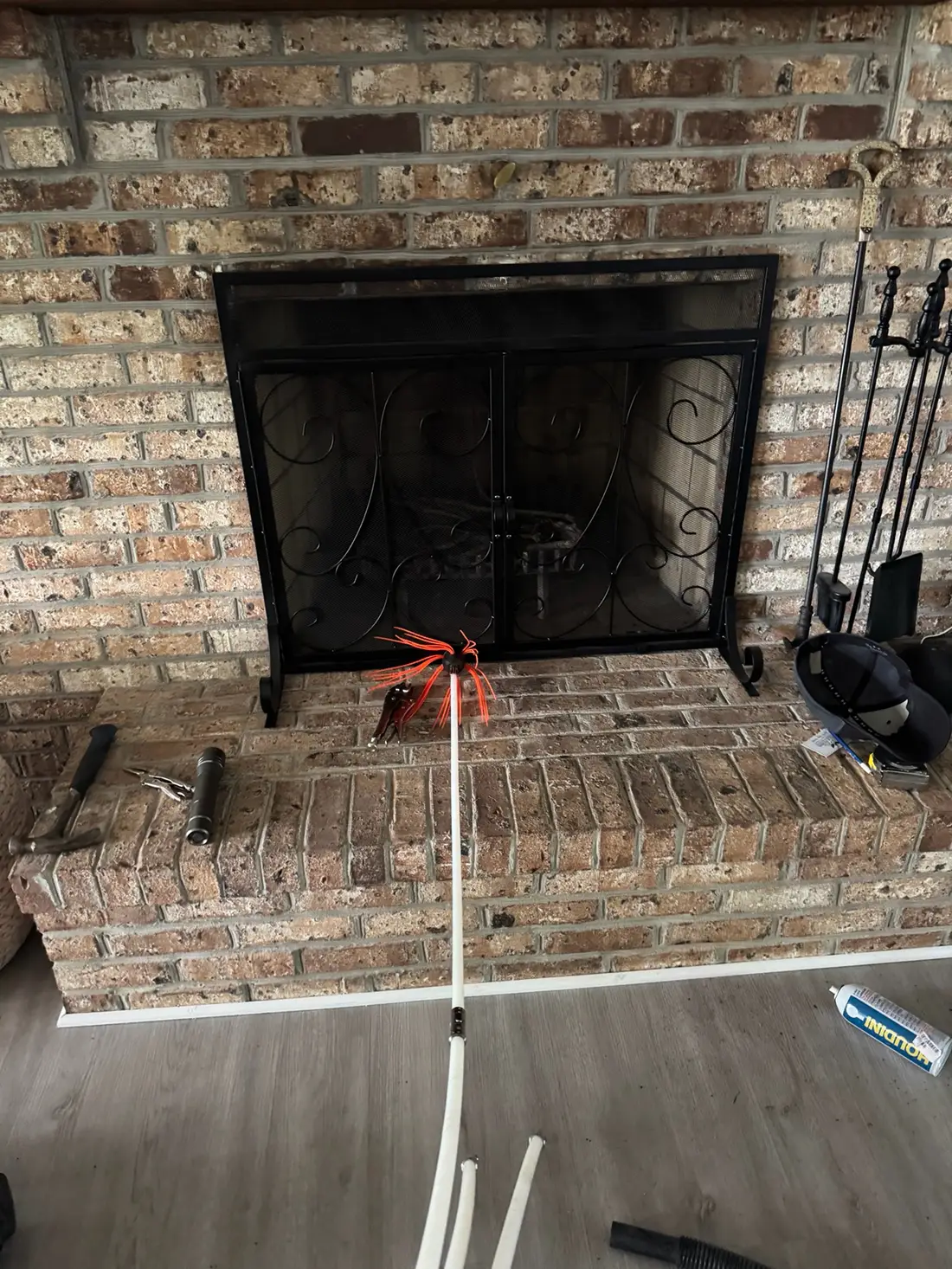
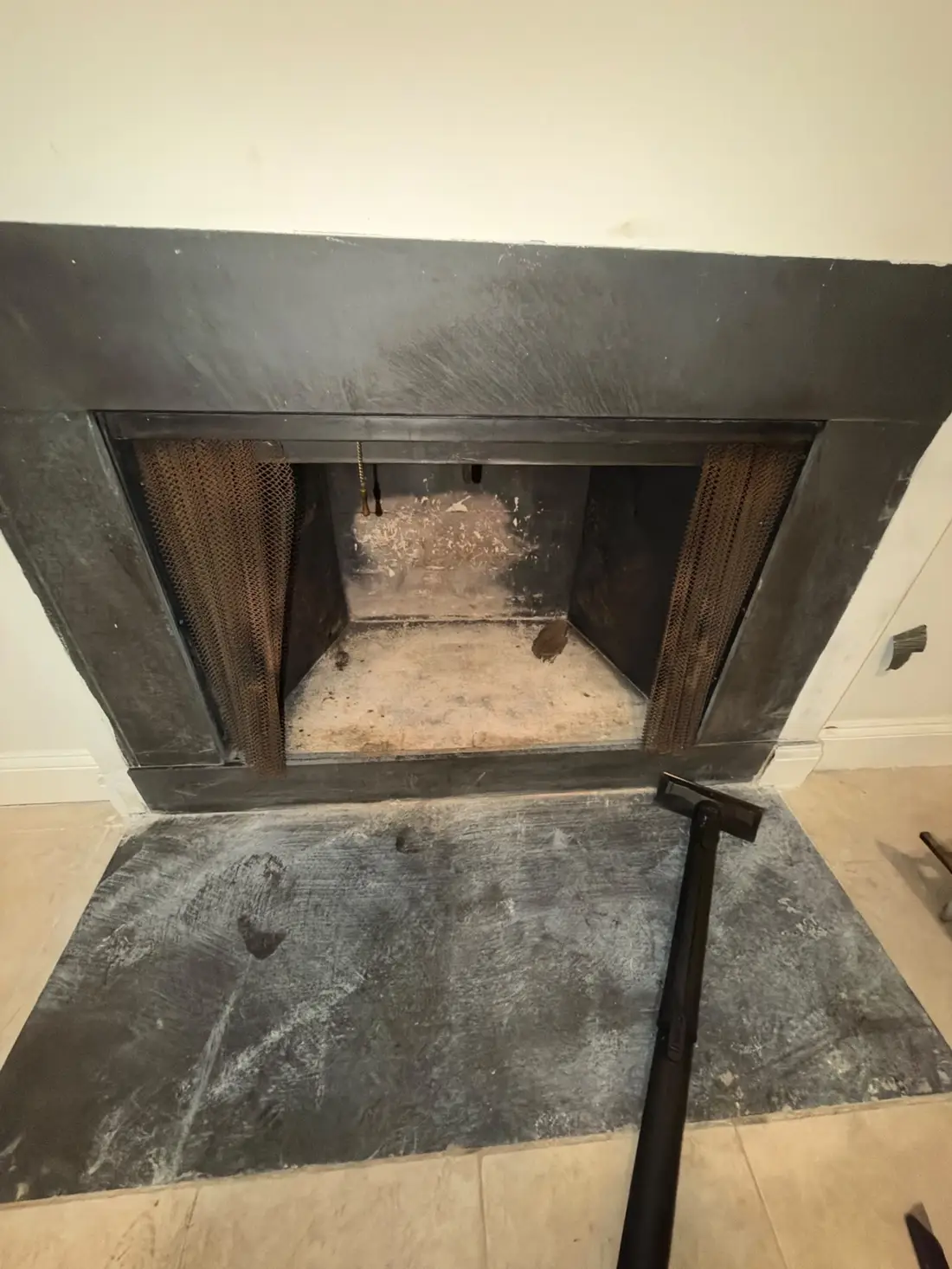
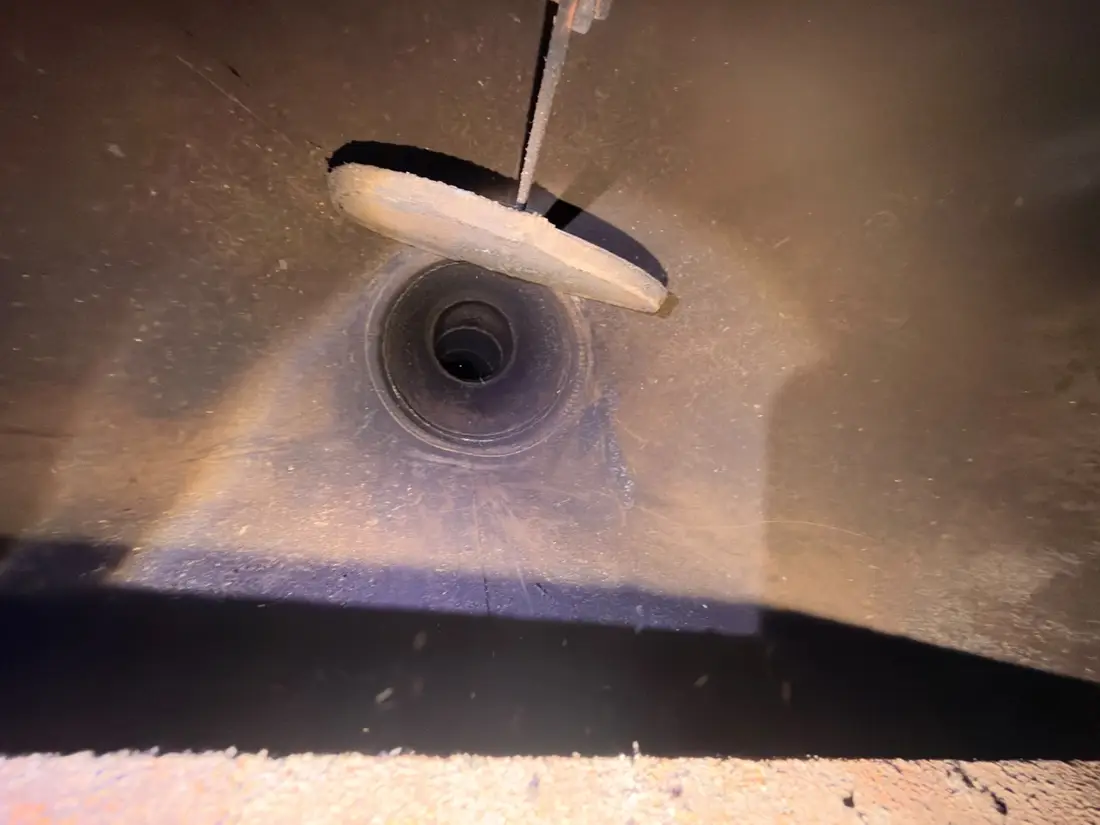
Every wood fire leaves something behind. Fine soot coats the flue walls, smoke residue settles in the smoke chamber, and creosote — the tarry byproduct of incomplete combustion — builds in layers that grow harder and more stubborn the longer they sit. A professional sweep clears all three. We work the full height of the flue with brushes matched to its size and shape, loosen deposits in the smoke chamber by hand, and clear the firebox, damper area, and ash pit so the whole path from grate to cap is open again.
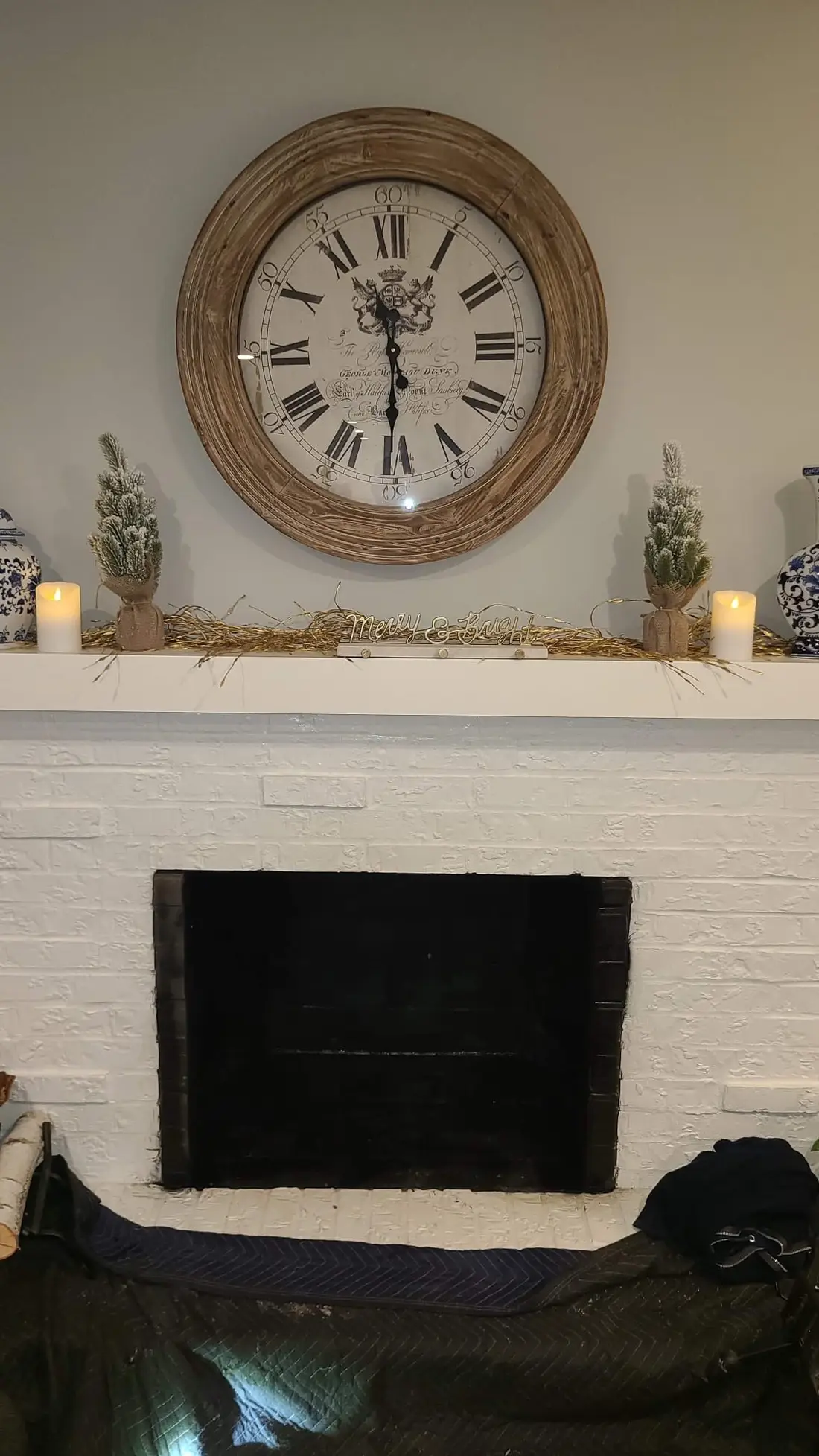
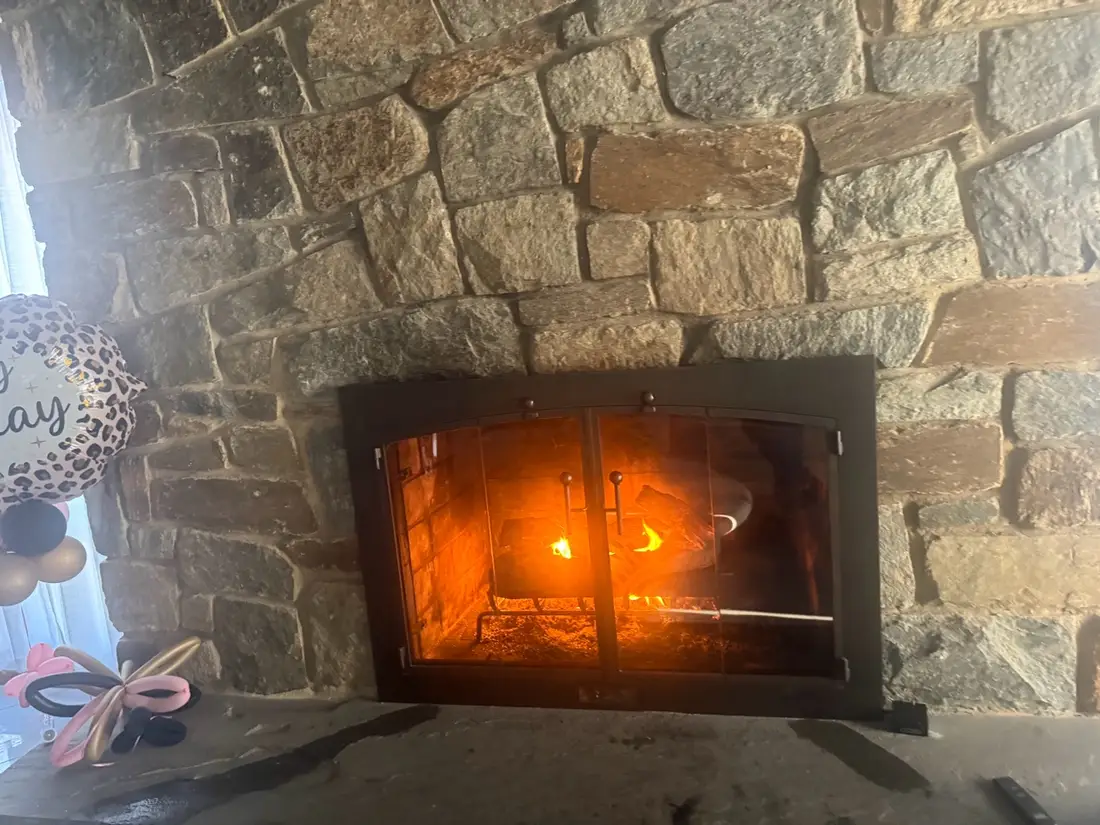
The difference is easy to feel the first time you light a fire afterward. Smoke that used to hesitate at the throat of the fireplace rises cleanly. The faint, stale smell that lingers in the room between fires fades because the material causing it is gone. Sweeping is the basic maintenance every working chimney needs, and it is the visit that tells us the most about the condition of your system.
How Our Crews Protect Your Home
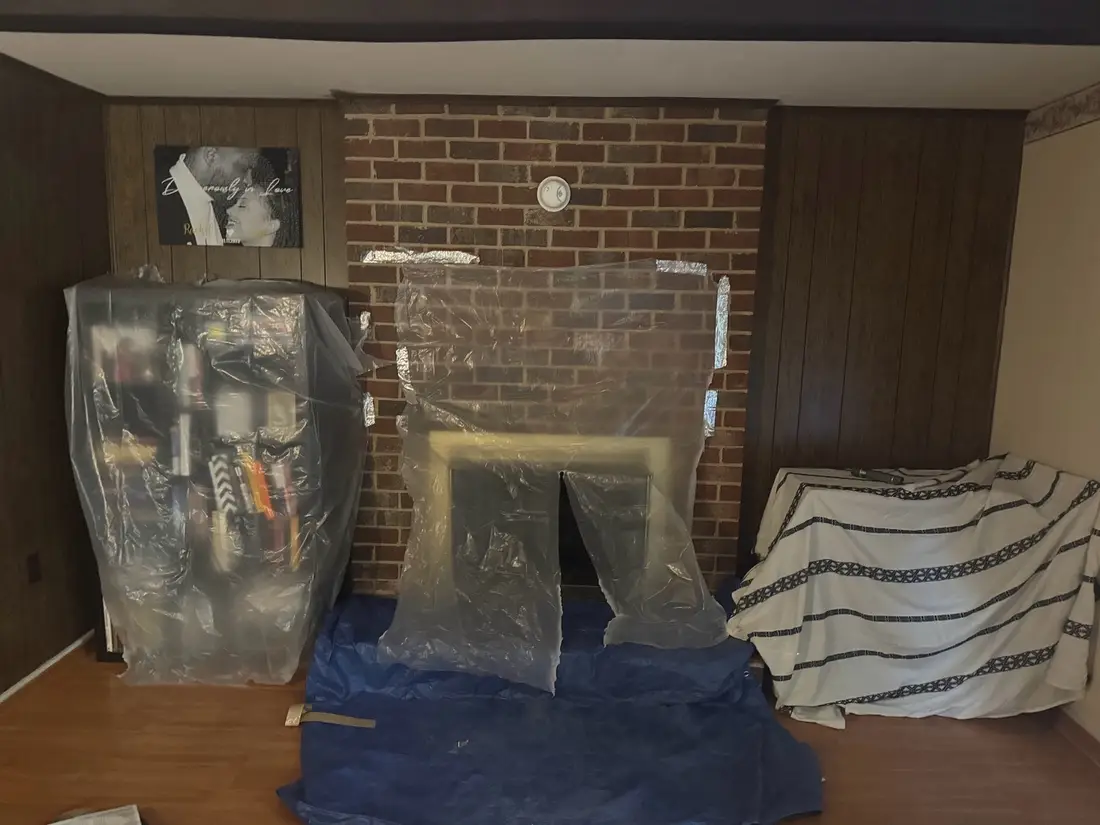
Soot is only a problem when it escapes, so we treat containment as part of the job, not an extra. Before a brush moves, the hearth and surrounding floor are covered, the fireplace opening is sealed with drop protection, and a high-volume vacuum runs during the sweep to capture dust at the source. Our technicians wear shoe covers, work from sealed bags, and remove everything they collect from your property when they leave.
Most sweeps are done entirely from inside the home, working upward through the fireplace or stove connection. When a flue is better reached from the roof — some stove installs and offset flues are — we will explain why before anyone climbs. Either way, you will never come home to a gray film on the furniture. Clean work is a point of pride for our state and city crews, and homeowners tell us it is the first thing they notice.
Creosote: Why the Buildup Matters
Creosote deserves its own conversation because not all buildup behaves the same way. Early deposits are flaky and brush away easily. Later stages turn dense and shiny, glaze the flue walls, and resist ordinary brushing — and the heavier the deposit, the more fuel sits inside your chimney where you cannot see it. If you want the full picture, our guide to creosote stages and what they mean walks through each stage in plain language.
How fast creosote forms depends on how you burn. Cool, smoldering fires, unseasoned wood, and restricted air supply all accelerate it, while hot fires with dry hardwood slow it down. During your sweep we will tell you honestly what we found — light routine soot or something heavier — and what burning habits will stretch the time between visits. If glazed deposits need a different treatment, we will show you photographs and explain the options before anything is scheduled.
How Often Should a Chimney Be Swept?
The honest answer is that it depends on use, not the calendar alone. A fireplace burned most winter weekends loads a flue far faster than one lit twice a year for holidays. As a working rule, chimneys that see regular use should be swept about once a year, and any flue should be cleaned once soot and creosote reach roughly an eighth of an inch. Our article on how often to sweep your chimney breaks down the signs to watch for between visits.
There is also a practical rhythm worth knowing: sweeping pairs naturally with an chimney inspection, because a clean flue is a visible flue. Cracks, gaps, and liner damage hide under soot. Scheduling the two together means the camera and the technician see the real condition of the system, and you get one visit, one report, and a clear picture of what your chimney needs next — if it needs anything at all.
Stoves, Inserts, and Prefabricated Fireplaces
Wood stoves and inserts are swept differently from open fireplaces, and the details matter. Connector pipes come apart for cleaning where the design allows, baffles and secondary-air parts are handled carefully, and the flue is brushed from the roof or through the appliance depending on the installation. A stove that has been drafting poorly often improves dramatically after a thorough sweep, because even a modest layer of buildup narrows the passage the smoke has to travel.
Prefabricated and gas-burning systems need attention too, even though they build deposits more slowly. Gas appliances produce acidic moisture that works on metal flues over time, and any chimney — gas, wood, or unused — can collect nests, leaves, and debris that block the passage. If your home has a gas unit, our notes on gas fireplace yearly service explain what that annual visit covers. Whatever you burn, a clear flue is the starting point for a system that behaves the way it should.
What You Get When the Sweep Is Done
Before we pack up, we walk you through what we found. If the flue came clean and everything we could see looked sound, we will say so plainly. If we spotted worn mortar, a damaged cap, or a liner concern, you will see photographs of it and hear what it means in ordinary terms — what can wait, what should be watched, and what deserves prompt attention. Every visit ends with written findings, so nothing depends on your memory of a doorstep conversation.
Eagle Chimney ProTech has swept chimneys since 2012, and our approach has stayed the same: evidence first, no pressure, and recommendations you can verify with your own eyes. When you are ready, call us to book a sweep — our phones are answered around the clock, and local crews are organized by state and city across the country, working Sunday through Friday.