Why Inspections Exist: The Parts You Cannot See
From the hearth, a chimney looks simple: a firebox, a damper, a dark opening above. In reality the working system runs the full height of your house, and most of it is hidden inside walls and masonry. The flue liner can crack where no flashlight reaches. Mortar joints between liner tiles can open. The smoke chamber can collect rough, ledged surfaces that trap heat and deposits. None of this announces itself until smoke, odor, water, or a far more serious problem makes it obvious.
That is the case for a structured inspection. Rather than a glance and an opinion, our technicians work through the system in order — appliance, firebox, damper, smoke chamber, flue, cap, crown, flashing, and exterior masonry — and document each part. Our walkthrough of inside a chimney inspection describes the process step by step, so you know exactly what a visit involves before anyone arrives at your door.
The Camera Scan: Seeing Inside the Flue
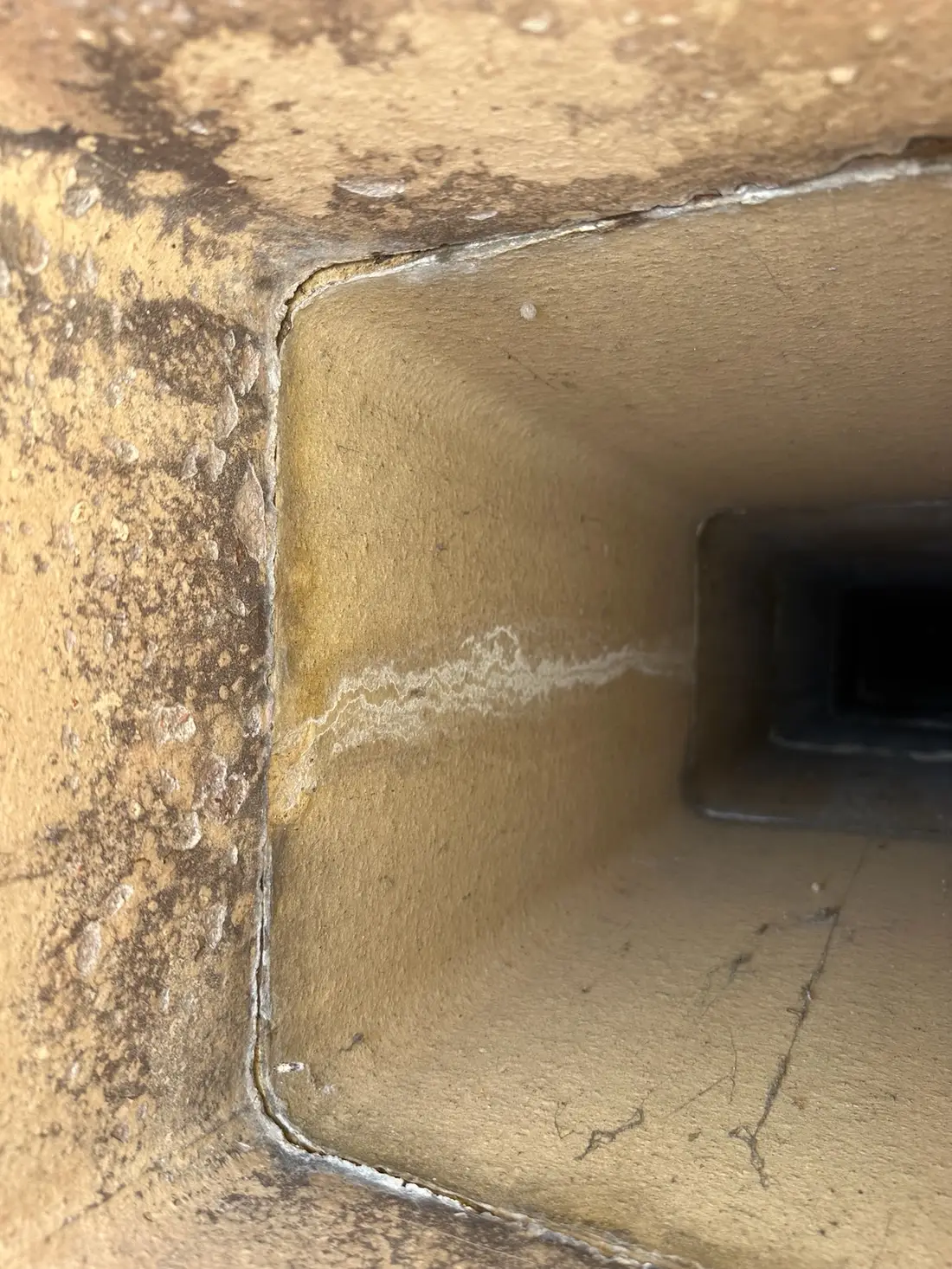
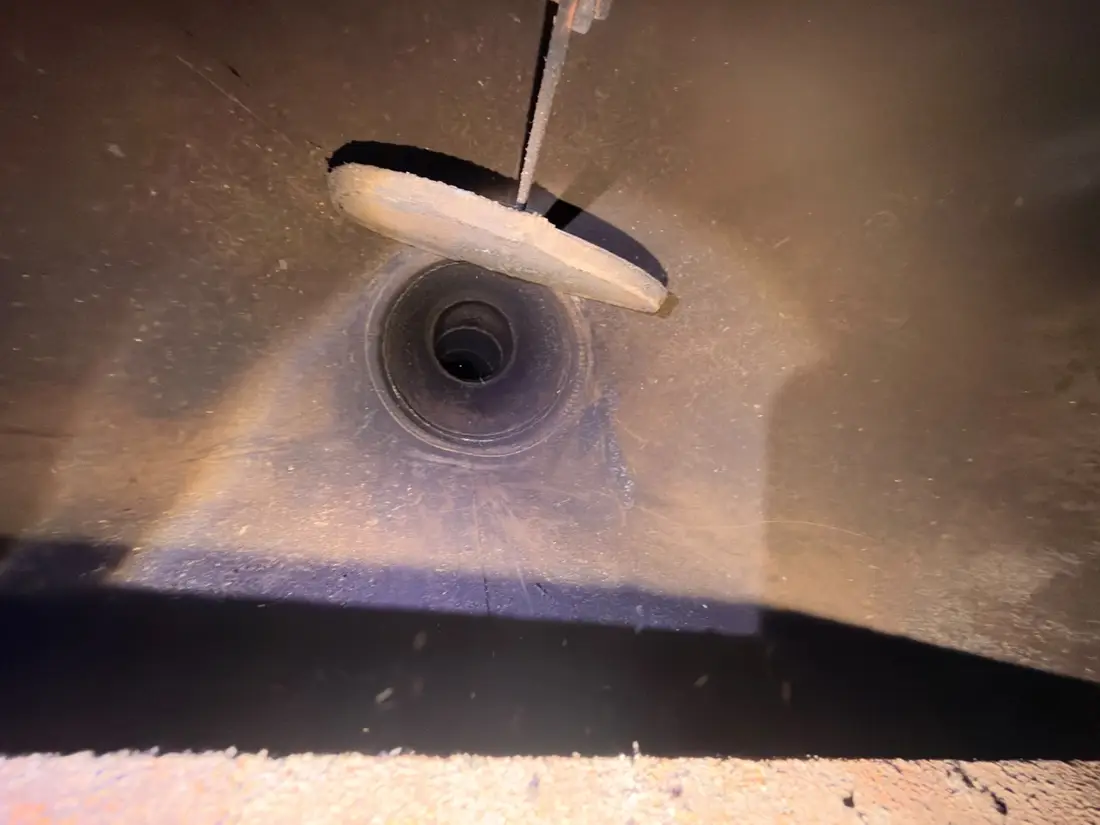
The single most useful tool in a modern inspection is the flue camera. We lower a purpose-built camera through the chimney and watch the liner walls on a screen in real time, recording what we find. Hairline cracks, separated joints, spalling tile, heavy glazed deposits, blockages, and animal activity all show up clearly — including in the middle sections of tall chimneys that no one can assess from above or below.
The camera changes the conversation. Instead of asking you to trust a verbal description, we show you the actual images from inside your own flue and mark where each concern sits. A small crack near the top is a different conversation from deterioration running the length of the liner, and the photographs make that distinction plain. When everything looks sound, the images are equally valuable: they are your record that the system was checked and found in good order on that date.
When an Inspection Matters Most
Some inspections are routine — the annual check that pairs with a chimney sweeping for any regularly used fireplace or stove. Others are driven by events. Buying or selling a home is the classic case: a chimney is a major system, its condition affects the transaction, and our buying or selling a home chimney guide explains what each side should ask for. A change of appliance — a new insert, a switch in fuel, a relined flue — also calls for a fresh look, because the new equipment has to match the venting it connects to.
Then there are the symptom-driven visits. Smoke entering the room, a persistent odor in summer, stains on the wall or ceiling near the chimney, water in the firebox after rain, or pieces of tile appearing in the ash — each points somewhere, and an inspection is how you find out where. After any chimney fire, even a small one you handled quickly, the system should be examined before it is used again, because heat events can crack liners in ways that are invisible from the hearth.
What We Examine, Top to Bottom
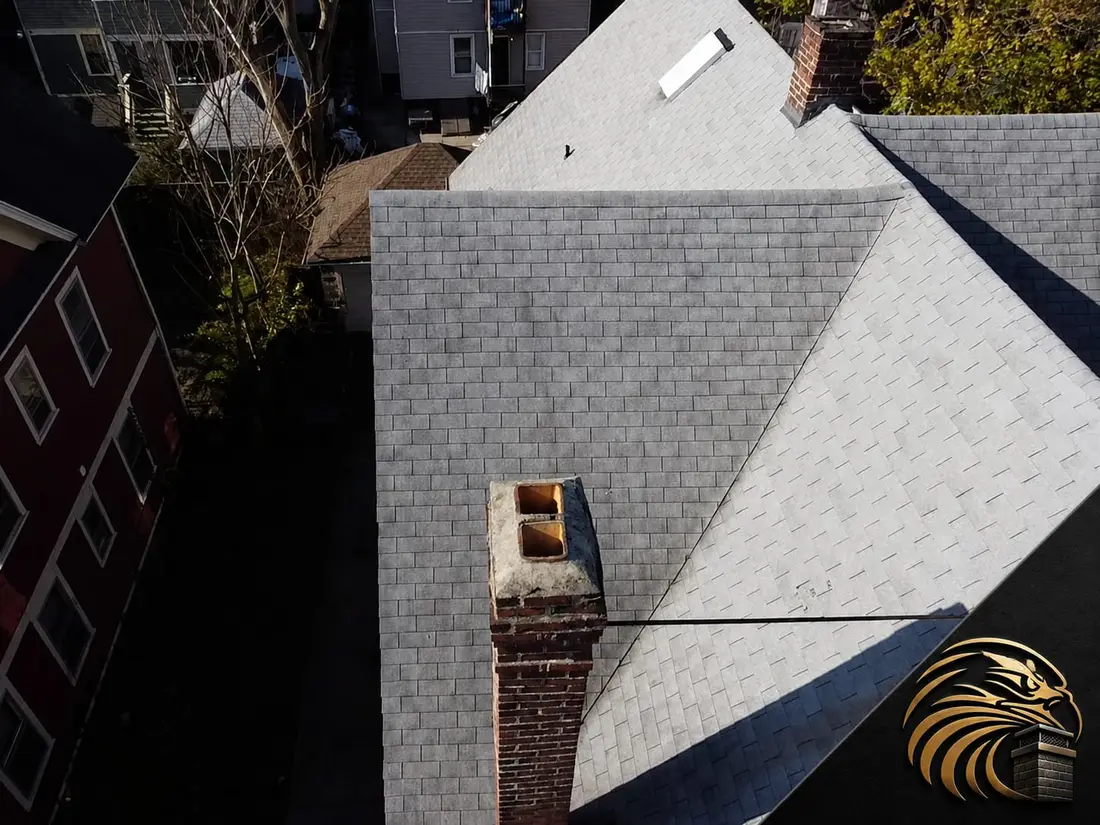
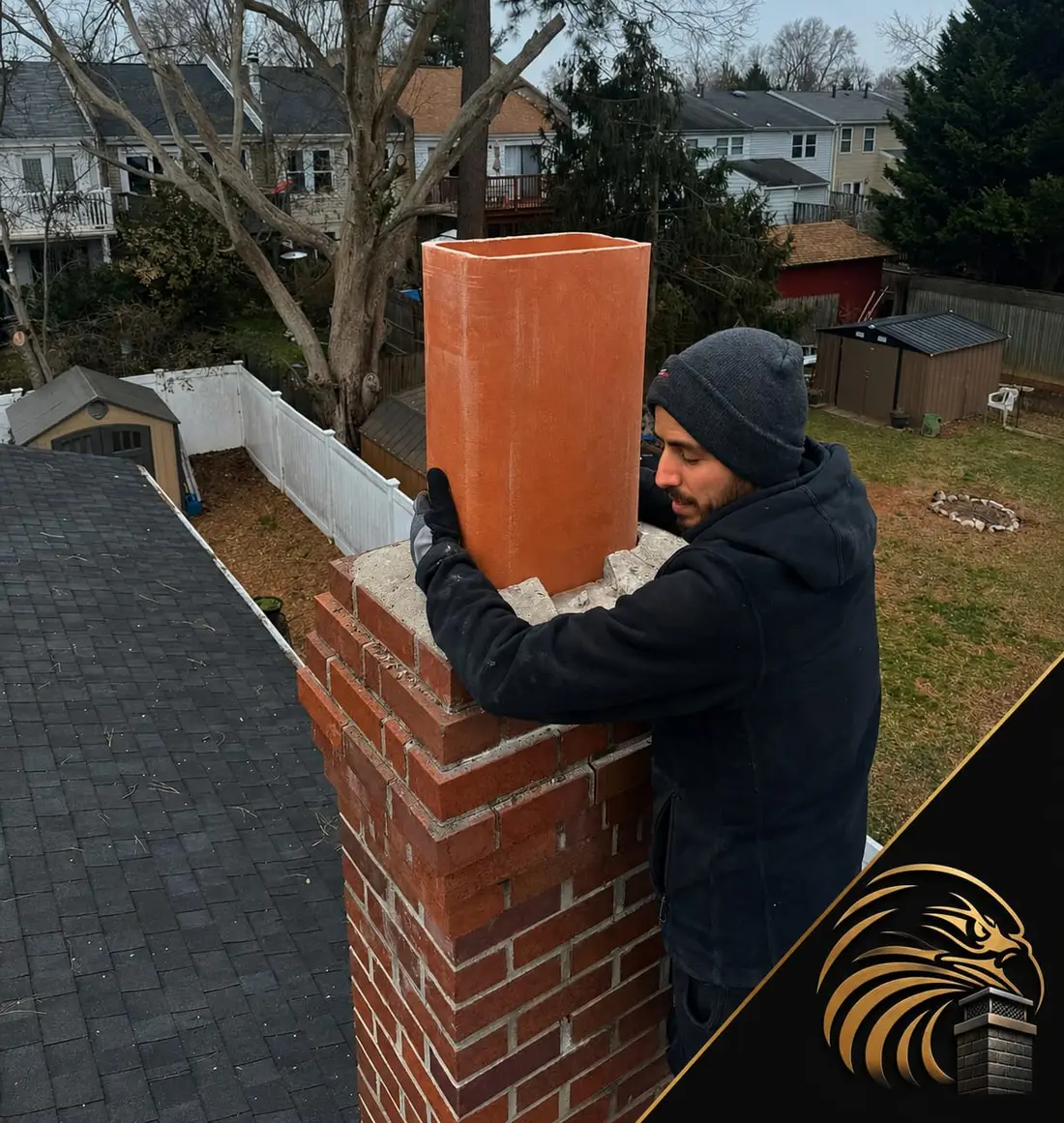
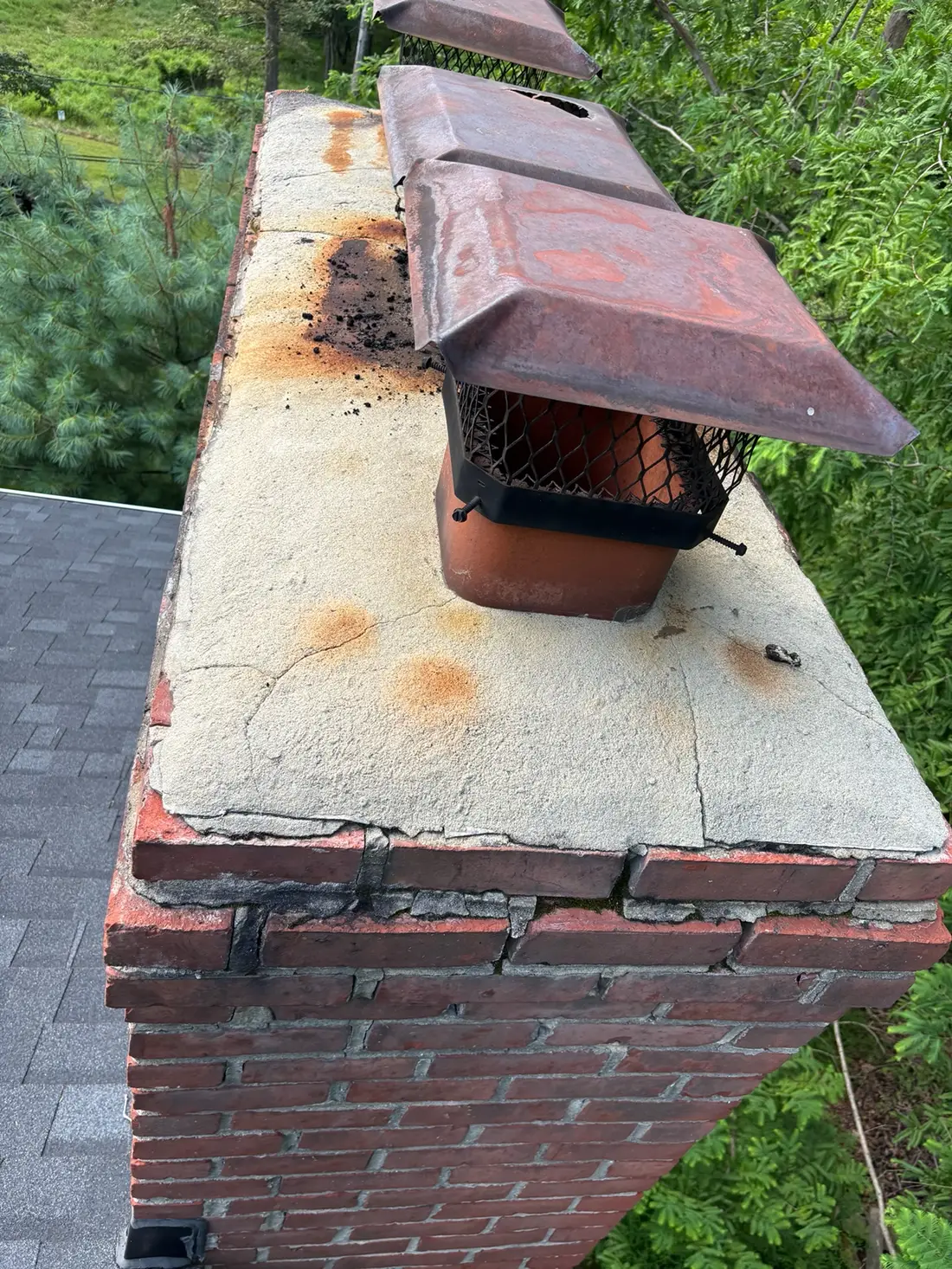
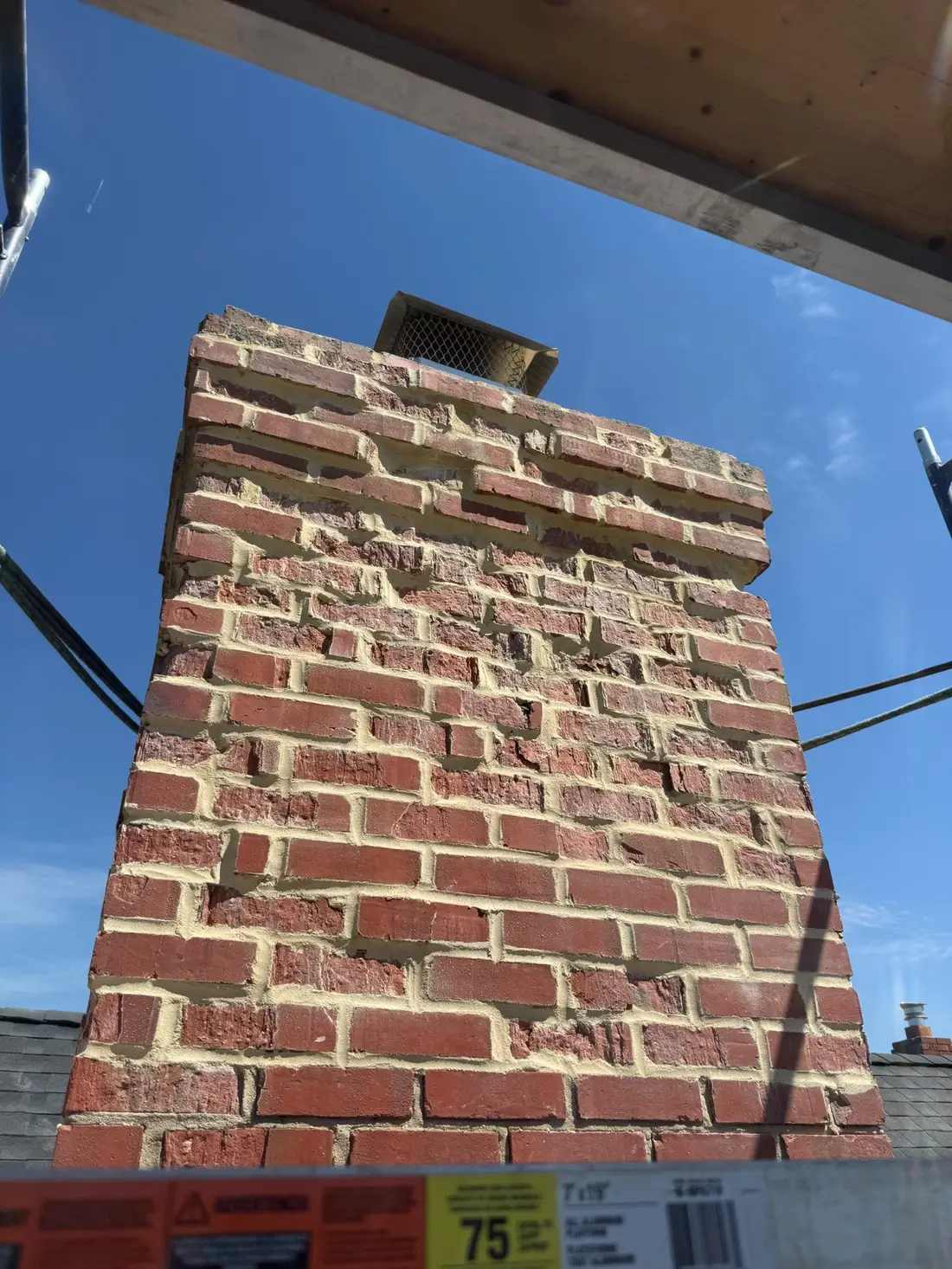
Outside, we look at the cap and crown, the condition of the brick and mortar, the flashing where the chimney meets the roof, and any leaning, settling, or separation from the house. Masonry problems found early are usually modest repairs; the same problems ignored become rebuilds. Inside, we check the firebox walls and floor, the damper's operation and seal, the smoke chamber, and the flue itself with the camera. We also confirm clearances and connections at the appliance, whether that is an open fireplace, an insert, a stove, or a gas unit venting into the flue.
Water deserves special attention because it is the chimney's most persistent enemy. Our article on chimney leaks and where water gets in covers the usual entry points, and during an inspection we trace stains and dampness back to their source rather than guessing. A leak blamed on the roof often turns out to be a failed crown or missing cap — a far simpler fix, once someone actually looks.
We also pay attention to the chimney's relationship with the house itself. The flashing and chase cover on a factory-built system, the thimble where a stove pipe passes through a wall, and the clearances between the flue and nearby framing all form part of the picture. Small separations at the roofline, or a thimble that has shifted as the house settled, can explain drafts, odors, and heat marks that puzzled a homeowner for years — and each of them is far easier to correct when it is found by looking rather than by accident.
Written Findings, Photographs, and Honest Priorities
Every inspection ends the same way: with a written report and photographs, explained in plain language. We sort findings into three honest groups — what needs attention now, what should be monitored, and what is simply information for your records. If a repair is warranted, it is quoted in writing before any work begins, and there is no obligation attached to the report. It is yours, and it will make sense to any other company you might show it to.
That evidence-first approach has defined Eagle Chimney ProTech since 2012. We are licensed and insured, our crews are organized by state and city across the US, and we work Sunday through Friday with phones answered 24/7. If you want to know what is actually going on inside your chimney, call us and book an inspection — you will finish the visit knowing more than most homeowners ever learn about their system, with the pictures to prove it.