
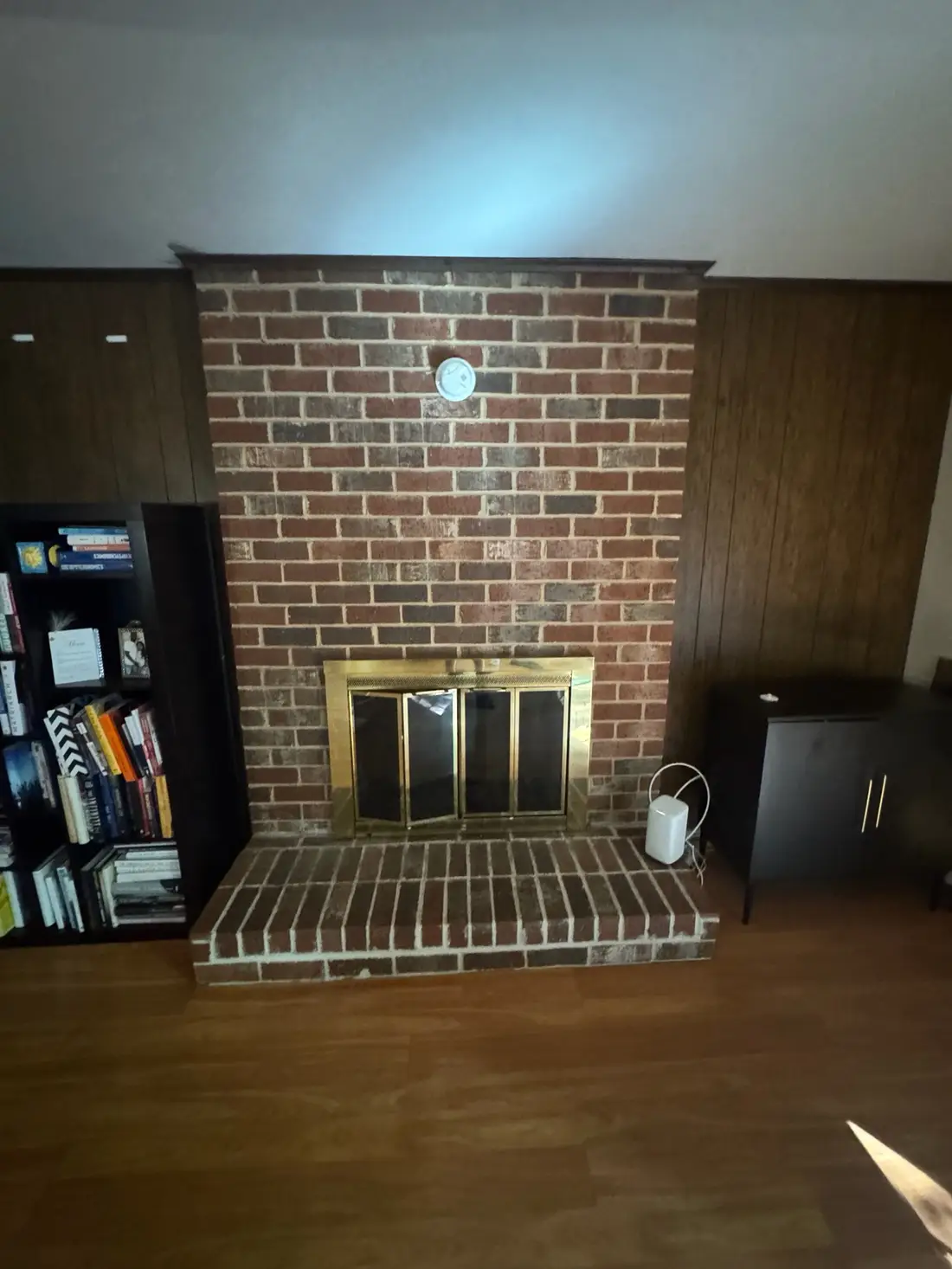
The Fireplace Looks Fine From the Couch
A fireplace photographs beautifully. It anchors the listing photos, it makes a living room feel warm before a single log is lit, and it rarely gets more than a glance during a showing. The trouble is that almost everything that matters about a chimney is hidden. The flue lining, the smoke chamber, the condition of the mortar inside the stack, and the way water has been moving through the crown for the last ten winters — none of that shows from the couch. A home can change hands with a chimney that looks charming and burns poorly, or worse, with damage nobody knew to look for.
That is why the chimney belongs on the transaction checklist alongside the roof, the foundation, and the heating system. It is a working part of the house, venting real combustion gases through the middle of the structure, and it deserves the same documented attention as any other system a buyer is about to own.
What a Pre-Closing Inspection Actually Covers
A proper chimney inspection before closing goes well beyond a flashlight glance. The accessible parts of the firebox, damper, and exterior masonry are examined up close. A camera is run through the flue so the lining can be seen along its full length, joint by joint. The crown, cap, and flashing are checked from the roof, because that is where water trouble usually starts. Findings are written down with images, so both sides of the transaction are working from the same evidence rather than from opinions.
For sellers, ordering that inspection before listing turns surprises into choices. A repair can be made, priced into the conversation, or simply disclosed with documentation attached. For buyers, it means the first fire in the new home is lit with knowledge instead of hope. Either way, a look at what happens during an inspection shows how much information a single visit can produce.
The Findings That Change Negotiations
Some findings are minor: a missing cap, tired mortar at the top of the stack, a damper that no longer seals. Others carry more weight. A cracked flue lining changes how safely the fireplace can be used at all. Water staining inside the firebox points to a leak that will keep working on the masonry every season it is ignored. A chimney that has not been swept in years may hold heavy deposits that need attention before regular use.
None of these automatically kill a sale, and that is not the point. The point is that each one has a known remedy and a scope that can be quoted in writing once it has been seen. Undiscovered, the same issue becomes an argument after closing. Discovered early, it becomes a line item — handled calmly, with paperwork, while everyone still has options.
Timing Matters More Than People Expect
Real estate timelines are tight, and chimney work competes with movers, lenders, and closing attorneys for calendar space. Sellers do best by scheduling the inspection before the home goes on the market, when there is time to act on whatever turns up. Buyers should raise the chimney during the inspection period, not after it, so any follow-up fits inside the contract window.
If the home will sit vacant between owners, a chimney sweeping and a sound cap are cheap insurance against animals moving in and rain moving down. New owners should also keep the inspection report with their closing documents. It becomes the baseline record for the home — the document future service visits compare against, and proof of the chimney's condition on the day the keys changed hands.
A Small Step That Protects a Big Purchase
A house is likely the largest purchase most people ever make, and the fireplace is one of its most-loved features. Spending one appointment to document the chimney's real condition protects that purchase on both sides of the table. Sellers hand over a home with a clean, honest record. Buyers light their first fire knowing the system behind it has been seen, photographed, and understood. That is a better beginning for everyone.