
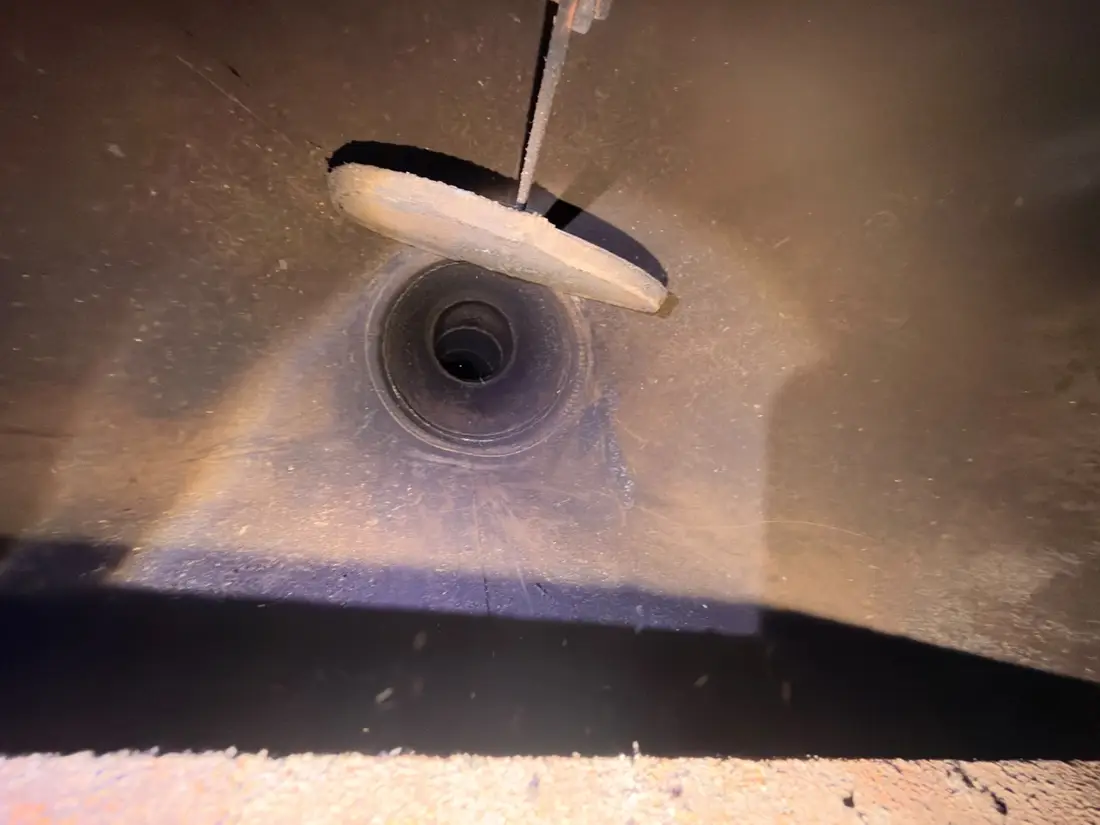
Creosote is the residue wood smoke leaves behind inside a chimney. It starts as vapor, condenses on the cooler walls of the flue, and hardens into a deposit that changes character the longer it sits and the more fires pass beneath it. Chimney professionals describe that deposit in three stages. The stages are not a scare tactic; they are a practical way of explaining what is in your flue, how it got there, and what kind of work removes it. Understanding them helps you make sense of what a technician reports after a visit.
Stage One: Light, Flaky, and Easygoing
The first stage looks like soot: soft, dusty, and flaky, usually gray or light brown. It brushes away readily with standard sweeping equipment, and finding it is completely normal in a chimney that is used and maintained on a reasonable schedule. Stage one is mostly carbon from ordinary burning, and its presence simply confirms that fires have been enjoyed and it is time for routine cleaning.
Think of stage one as the deposit your burning habits produce under decent conditions. Dry wood, reasonably hot fires, and a flue that drafts well all keep buildup in this friendly form. A regular chimney sweeping keeps the flue cycling back to clean before stage one has the chance to mature into something tougher.
Stage Two: Crunchy, Tarry, and Stubborn
Left in place through more burning, the deposit changes. Stage two creosote looks like shiny black flakes or a crunchy, tar-like crust. It contains more hardened tar, clings harder to the flue walls, and no longer surrenders to a simple brush pass. Removing it takes stiffer tools, more time, and a technician who knows how to work it loose without damaging the liner underneath.
Stage two usually tells a story about how the fires have been burning. Smoldering, damped-down fires, damp wood, and restricted air supply all push deposits toward this form. A flue that is oversized for its appliance, or one with a cold exterior run, can also encourage it, because cooler flue walls collect more condensation from the smoke passing through.
Stage Three: Glazed, Dense, and Serious
The third stage is a hard, glazed coating that looks almost like dark glass or thick tar poured and set. It is dense, it concentrates fuel in a small volume, and it is genuinely difficult to remove, sometimes requiring specialized rotary tools or treatment before it will release from the liner. Glazed creosote is also the stage most associated with chimney fires, because once ignited it burns intensely and can damage liners, masonry, and nearby framing.
Stage three does not appear overnight. It is the end of a long chain of skipped cleanings and cool, smoky burning. The good news is that the chain is easy to break: the earlier stages are simple to manage, which is exactly why our article on how often to sweep your chimney ties the schedule to your actual burning habits rather than a one-size rule.
How Each Stage Is Handled
A technician identifies the stage by sight, touch, and experience, often confirmed with a camera during a chimney inspection. Stage one is routine sweeping work. Stage two calls for heavier brushes and more passes. Stage three may need mechanical cleaning, and afterwards the liner itself must be checked carefully, because the heat and the removal process can reveal cracks or damage that the deposit had been hiding.
At Eagle Chimney ProTech, you will be shown what was found rather than simply told. Inspections are documented with camera images and written findings, recommendations are explained in plain language, and repairs are quoted in writing before any work begins. That evidence-first approach matters most with stage three, where the honest options can range from aggressive cleaning to liner work, and you deserve to see the flue for yourself before deciding.
Keeping Creosote in the Friendly Stages
Prevention is mostly about fire craft. Burn dry, seasoned wood. Give fires enough air to burn bright instead of smoldering for hours. Avoid overloading the firebox, and let the flue warm up with a small, hot start rather than a large, cool one. If your appliance allows it, an occasional hot fire helps keep deposits dry and flaky instead of tarry. Pair those habits with regular sweeping, and creosote stays what it should be: a routine maintenance item, not a repair project.