
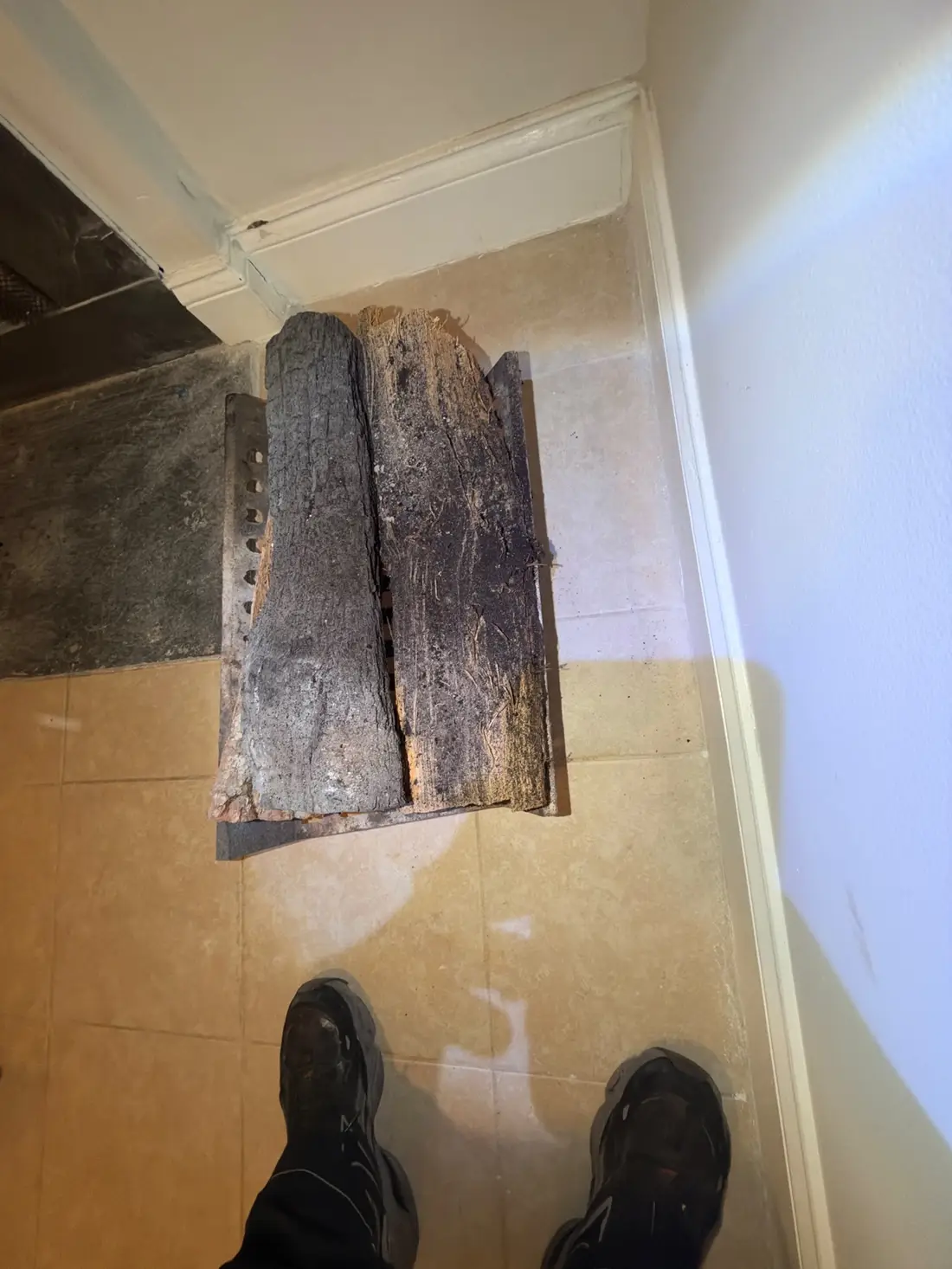
The Fireplace Nobody Is Using Still Speaks Up
It puzzles many homeowners: the fireplace has not seen a fire in months, yet on the hottest, most humid afternoons, a stale campfire smell drifts into the living room. Guests notice it. Air fresheners lose to it. The smell is not imagined, and it is not random — summer conditions are almost perfectly designed to coax odors out of a chimney and into the house.
Understanding why it happens points directly to what helps. The causes are a handful, they often overlap, and most of them are fixable without major work. The smell is the chimney reporting on its condition during its off-season, and it is worth listening to.
Humidity, Deposits, and Reverse Airflow
Start with what lines the flue. After a burning season, the inside of the chimney carries deposits from every fire that passed through it. Dry, those deposits have a faint odor. Wet, they become pungent — and summer humidity soaks into them through the open top of the flue, releasing that deep, smoky, sometimes sour smell. The heavier the deposits, the stronger the effect, which is why a chimney that ended the season dirty tends to announce itself all summer long.
Then there is airflow. In winter, warm air rising through the house encourages the chimney to draw upward. In summer, air conditioning cools the indoor air, and the flue — especially on an exterior wall warmed by the sun — can become a path for air to sink into the house instead. That gentle downdraft carries the flue's humid odor with it and delivers it at the fireplace opening. Negative pressure from exhaust fans and sealed, efficient homes makes the effect stronger.
Water and Uninvited Guests
Sometimes the smell is not smoky but musty, earthy, or worse — and that difference matters. A musty odor often points to water entering the system and sitting where it should not: a failed crown, tired flashing, or a missing cap letting rain reach the smoke shelf and masonry interior. The routes water takes are mapped in our guide to where chimney water gets in. Damp masonry and standing moisture grow their own smells, and they signal a repair need, not just an odor nuisance.
A sharper, decaying smell raises another possibility: an animal that entered the flue and did not leave. Chimneys shelter birds, squirrels, and other wildlife, and occasionally one becomes trapped. That situation needs prompt, professional attention — both for humane reasons and because a blocked flue is a hazard when burning season returns. A sound cap, discussed in chimney caps and crowns, is the long-term answer to keeping wildlife out.
What Actually Helps, In Order
The most effective first step is also the simplest: a thorough chimney sweeping that removes the deposits feeding the odor. Many homeowners schedule it in spring for exactly this reason — a clean flue has far less to smell of, whatever the weather does. If the smell persists after sweeping, the damper deserves scrutiny. A damper that seals poorly lets the flue breathe into the room all summer; a top-sealing damper, which closes at the chimney top, both blocks the odor path and keeps humid air and rain out of the flue in the first place.
Water entry should be repaired at its source — crown, cap, or flashing — rather than masked. And if the odor arrived suddenly and smells like decay rather than smoke, have the flue checked before assuming it is seasonal. Each cause has a distinct signature, and sorting them is quick work for someone who can look inside the system.
A Cleaner Off-Season
A fireplace should disappear from your attention in summer, not perfume the room. In most homes the fix is unglamorous and effective: sweep the flue clean at season's end, keep rain and animals out at the top, and make sure the damper actually seals. Do those three things and the chimney spends its summer the way it should — silent, dry, and forgotten until the first cool evening makes it welcome again.